
















Getting here
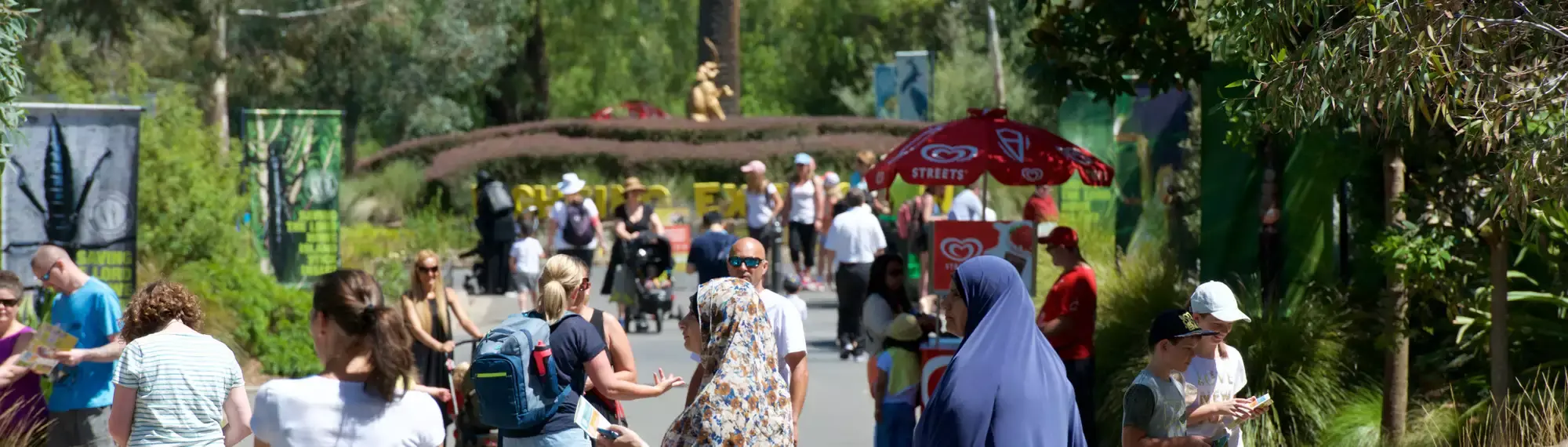
Getting to Melbourne Zoo by public transport is the easiest, most convenient and eco-friendly way to go!
Learning outcomes
Victorian Curriculum 5-6
Want to volunteer at our zoos?
All available positions are advertised via the button below.
The plan for fighting extinction
Thermal detectors are currently used to monitor population densities, and Zoos Victoria is investigating the role we can play in supporting self-sustaining wild populations.
How you can help
- Raise community awareness and support for the Southern Bent-wing Bat.
- Visit our zoos to support our work to fight extinction.
- And donate if you can. As we are a not for profit organisation, all donations go towards our conservation work.
- Discover more about local conservation events and join the growing number of wild activists taking action for local wildlife.
Once you have made the decision to leave a gift in your Will to Zoos Victoria, please let a member of the Philanthropy Team know.
We would love the opportunity to thank you and welcome you into the Future Hands Fellowship.
By becoming a member of the Future Hands Fellowship, you will be invited to special events that will help you see how your future gift will contribute to fighting extinction for a future rich in wildlife.

Members get more!





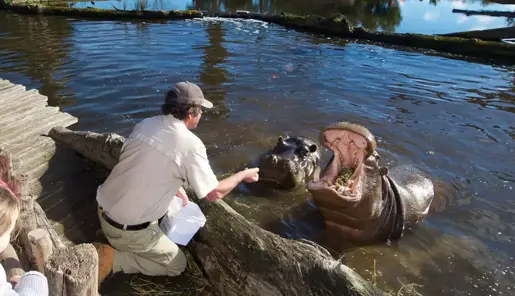


Book your education experience
Fill out an online form to make a booking for your zoo education experience
Make booking nowYou will need to know the following to book your zoo excursion or online workshop:
- Education program of your choice (if applicable)
- Preferred date
- School name and address
- Contact details of organising teacher
- Number of students/classes and their year level
There are no keeper talks listed for this property
Program resources
VCE teaching guides are password protected. You will receive the password via email before your excursion. You can also request the password upon booking.
Students will need copies of the workbook to fill out during their excursion. Please ensure you print these and bring with you as we are unable to provide copies on the day.
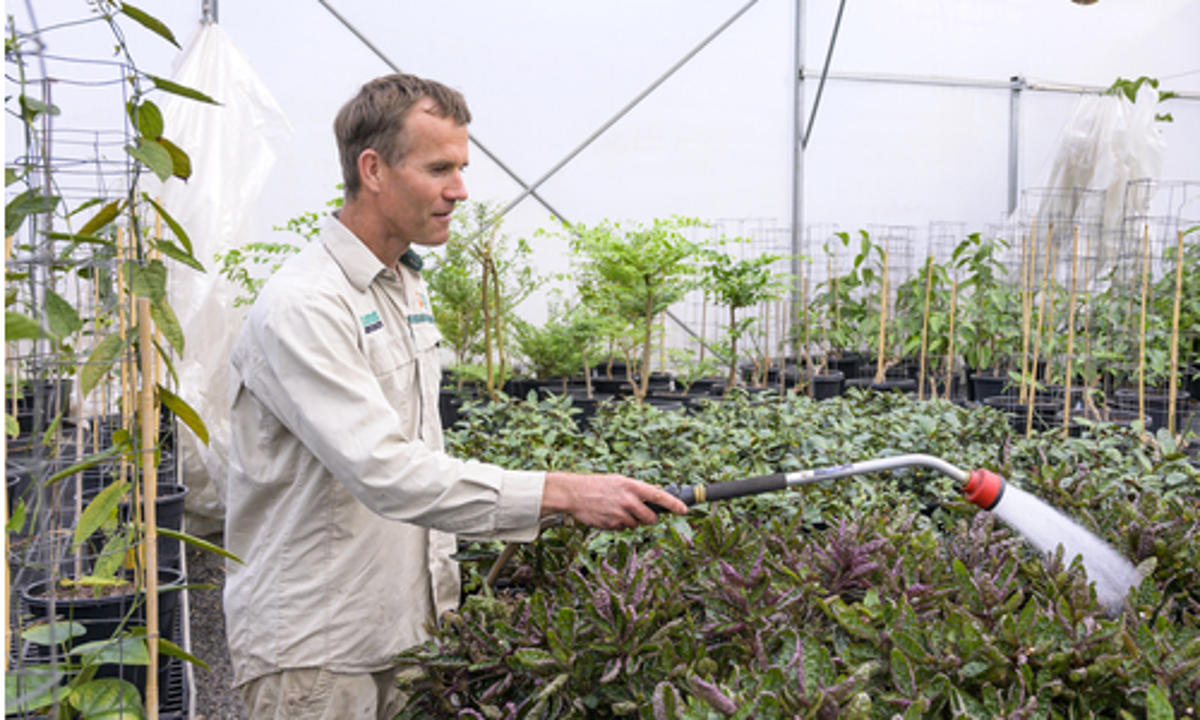


They’re one of nine subspecies of tiger, three of which are already extinct. A fourth subspecies is sadly also believed to be extinct, with no signs of its existence in the past decade.
Sumatran Tigers are the smallest of all tigers, and their size assists them in navigating the dense, tropical forests in which they hunt. It’s believed they became isolated to Sumatra when rising sea levels smothered the land, causing the formation of islands in the region.

Published 26 June 2025

Join one of our horticulture, tree, garden or nursery specialists for an intimate one hour - walking journey.
Melbourne Zoo has many unique and beautiful gardens onsite, but why and how did it come to have a Japanese garden?
Come along to hear the history of this carefully manicured space. With discussion topics covering plant selection specific to site topography, mythology,
different types of Japanese gardens and the transformation process throughout the seasons.
Learn a few tips to design your own Japanese garden at home, with plant care, low water lawn maintenance and pruning tips, as well as what materials and structures are required to construct your own spiritual space.
Finally finish your experience by visiting our resident Koi.

How you can help
- Plant local indigenous flora. This will help many invertebrates that rely on local plants for food, shelter and protection. Euroa Arboretum runs an indigenous nursery that stocks local varieties and can help you make invertebrate-friendly choices. Other tube stock nurseries within the species range may also have plants suitable for grassland planting.
- When travelling in north-eastern Victoria, be aware of patches of remnant bush. Areas of Kangaroo Grass and native daisies might be home to this endangered grasshopper.
- Donate if you can. As a not-for-profit organisation, all donations go towards our important conservation efforts.
- Discover more about local conservation events and join the growing number of activists taking action for local wildlife.
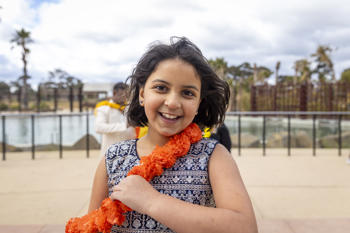
At Kyabram Fauna Park, we are driven by a love of connecting people with wildlife through engaging and unique learning experiences through the lens of conservation in education.
Our expert educators have diverse backgrounds in animal biology, conservation, and zoology research, and our teaching experience spans early childhood through to tertiary education. We are enthusiastic about embedding an understanding of the natural world into the Victorian Curriculum and specialise in creating fun and engaging programs that bring theoretical concepts to life.
Situated on a diverse wetland habitat in beautiful Yorta Yorta Country, we boast a unique learning environment that enables students to thoroughly engage with the whole ecosystem, not just the animal. We celebrate the Yorta Yorta people as the first scientists and naturalists of this Country, and their continued contribution to conservation and education.
Through our dynamic and immersive programs, we foster students’ curiosity, creativity, and critical thinking about the world around them. We strive for every experience to be an enduring one, empowering students to consider how they can continue to contribute to wildlife conservation and build a more sustainable future.

Use the activities in the Teaching Guide (below) to spark students’ before their zoo visit.
Connect and Understand
This self-guided tour allows you explore Werribee Open Range Zoo’s grassland and wetland habitats at your own pace. Located adjacent to the Werribee River, this thriving ecosystem supports a wide range of flora and fauna. As you go, use the recording sheet when you spot one of the Climate Watch species. Werribee Open range Zoo will use this data to gain a clearer picture of the effects of climate change on our sensitive habitats.
Your zoo visit will include: Following the Climate Watch (Self-Guided) Trail (1hour), the Safari Bus Tour (40 minutes) and keeper talks. Check out your Teaching Guide for other ideas of what to do at the zoo.
Understand
Use activities in the Teaching Guide to deepen students’ learning back at school.
Act
Use the Teaching Guide to enable students to master their knowledge and skills in real-world contexts.